
I got a text a few weeks ago asking me to rate my feelings about the governor on a scale of one to five. No name attached, no explanation of who was asking or why. Just a number they wanted from me before I even finished reading the question. I didn't answer. But I sat with it for a minute, because it summed up something I've been noticing for a while now. Nobody actually wants to know what people my age think out here. They want a data point.
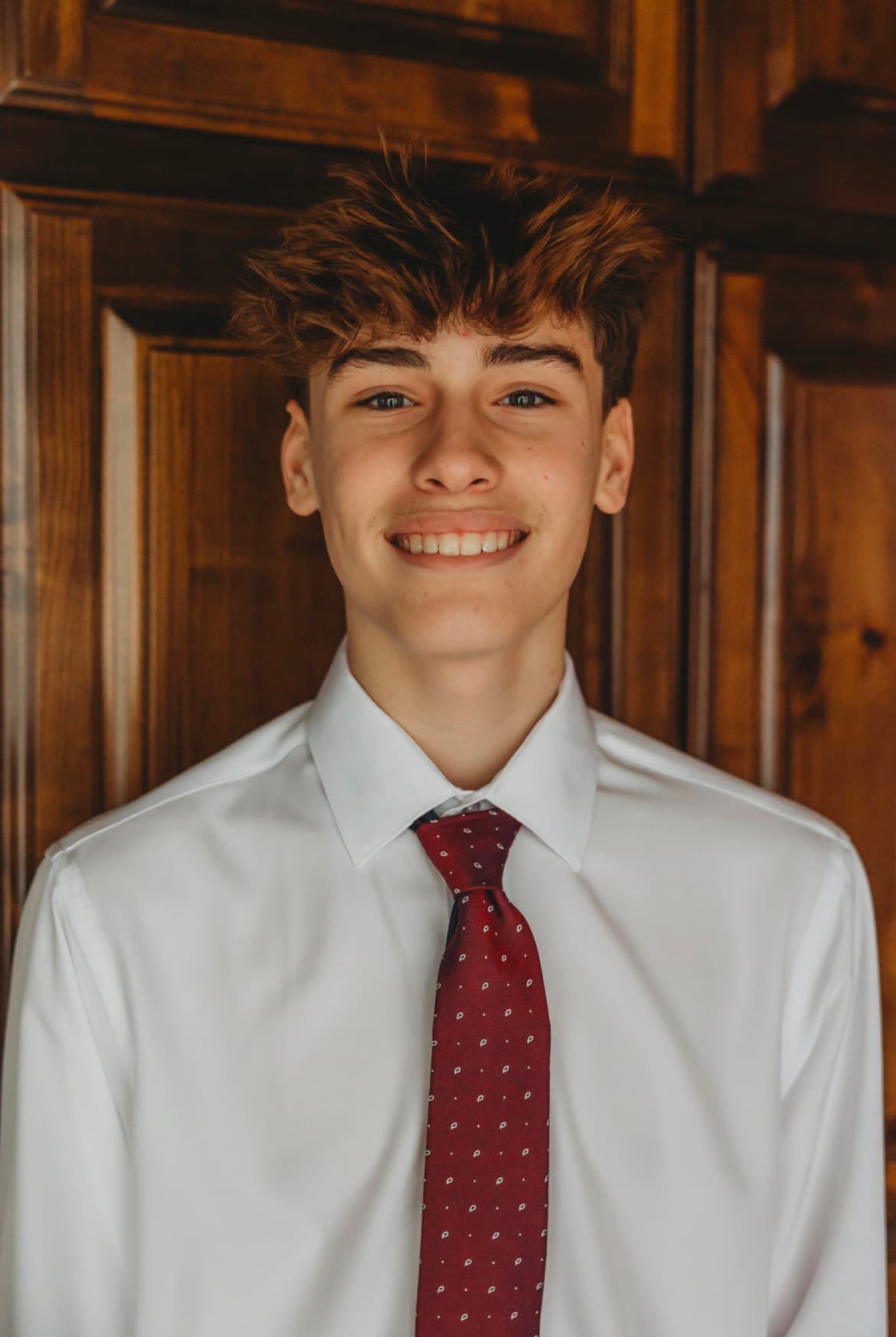
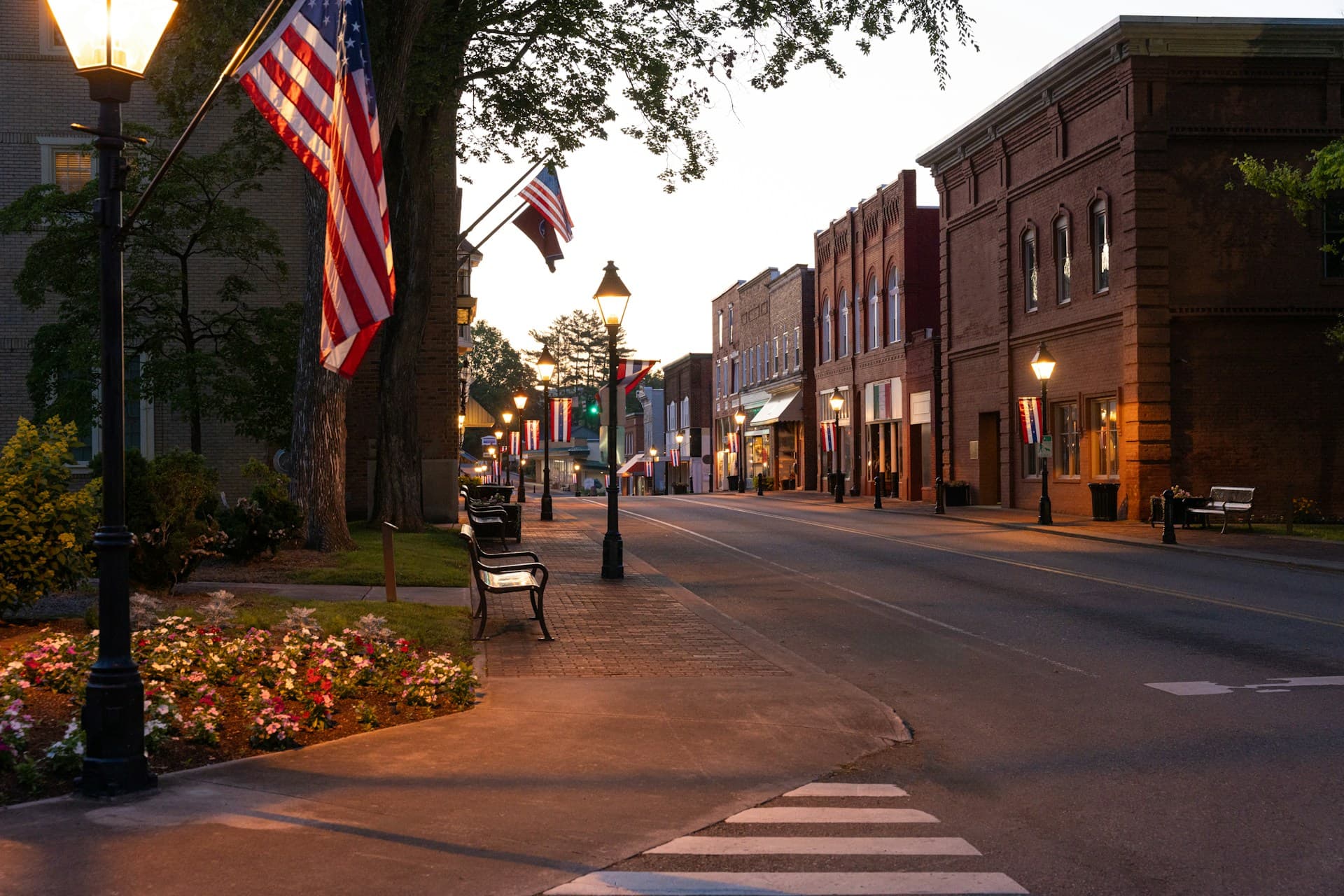
I'm fifteen. I live in Tahlequah, Oklahoma, a town where you can't drive ten minutes without passing a church, a Dollar General, and at least one campaign sign that's been up since the last election. Politically, this is about as red as it gets. And yet almost nobody I know, adult or teenager, feels like either party is actually speaking to them. Not about the stuff that matters here. Not about the schools, the roads, the jobs leaving, the water.
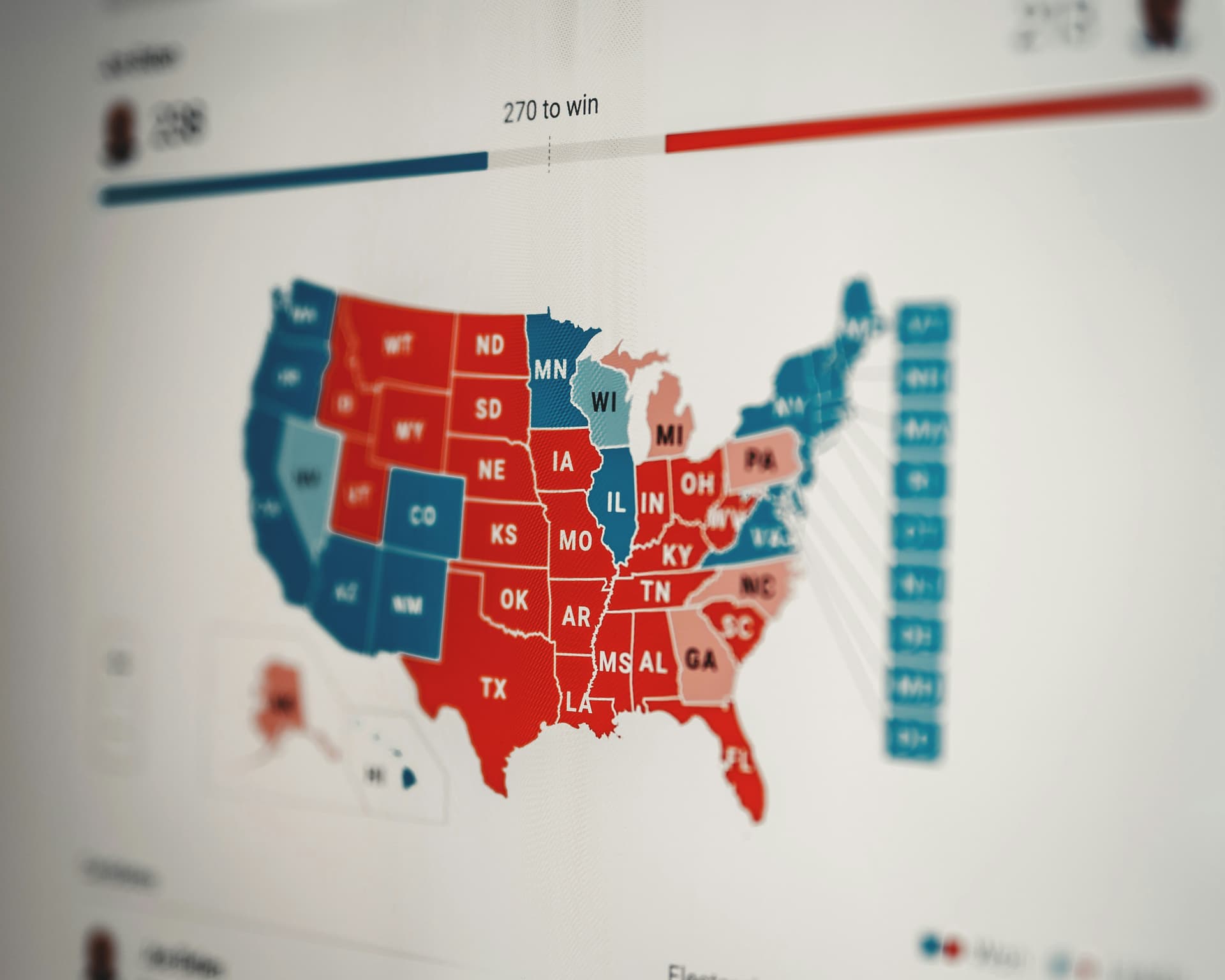
There's this assumption in national politics that rural means Republican and that's the whole story. Case closed, move on to the suburbs where the real battle is. But being surrounded by red doesn't mean you feel represented by it. A lot of the adults I've talked to, including people who vote Republican every single time without fail, will tell you in the same breath that they don't think anyone in Oklahoma City or Washington has set foot in a town like ours in years. They vote for the team because the other team feels further away, not because the team they picked is doing much for them.
And Democrats, when they do show up here, mostly don't. Show up, I mean. There's no real ground game in rural counties like mine. No door knocking, no local candidates who actually understand what it means to worry about a hospital closing or a school losing funding. Just national messaging aimed at cities, occasionally translated badly for a rural audience that can tell the difference.
So you end up with this weird political homelessness. You're rural, so you're assumed conservative. You're a teenager, so you're assumed to not have real opinions yet, or to just be parroting your parents. Both assumptions let people off the hook from actually listening to you.
I sit on my school district's Superintendent Advisory Group, which sounds like it should mean something. And sometimes it does. But I've also sat in rooms where adults nod along to what students say and then make the decision they were always going to make anyway. That's not unique to my district. That's rural politics in miniature. The performance of listening, without much changing after.
I think part of the disillusionment is that we can see the gap now in a way older generations maybe couldn't, or didn't have to. We've grown up with our phones telling us what's happening in real time everywhere else, so we know what representation could look like, and we can measure our own towns against it. We know when we're getting a form text instead of a conversation.
I don't have a tidy answer for how you fix this. I'm not sure anyone does, or somebody would have by now. But I think it starts with parties, both of them, treating rural young people like an actual constituency instead of either a lock or a lost cause. It starts with candidates who show up in person, not just in ad targeting. And it might start with something smaller too, like not sending a fifteen year old an anonymous text asking him to rate his governor on a scale of one to five and calling that outreach.
Because that's not a conversation. That's a survey. And out here, we've had enough of those.
Comments
Join the conversation. Comments are public and appear right away — please keep them civil and on topic.
No comments yet. Be the first to respond.