

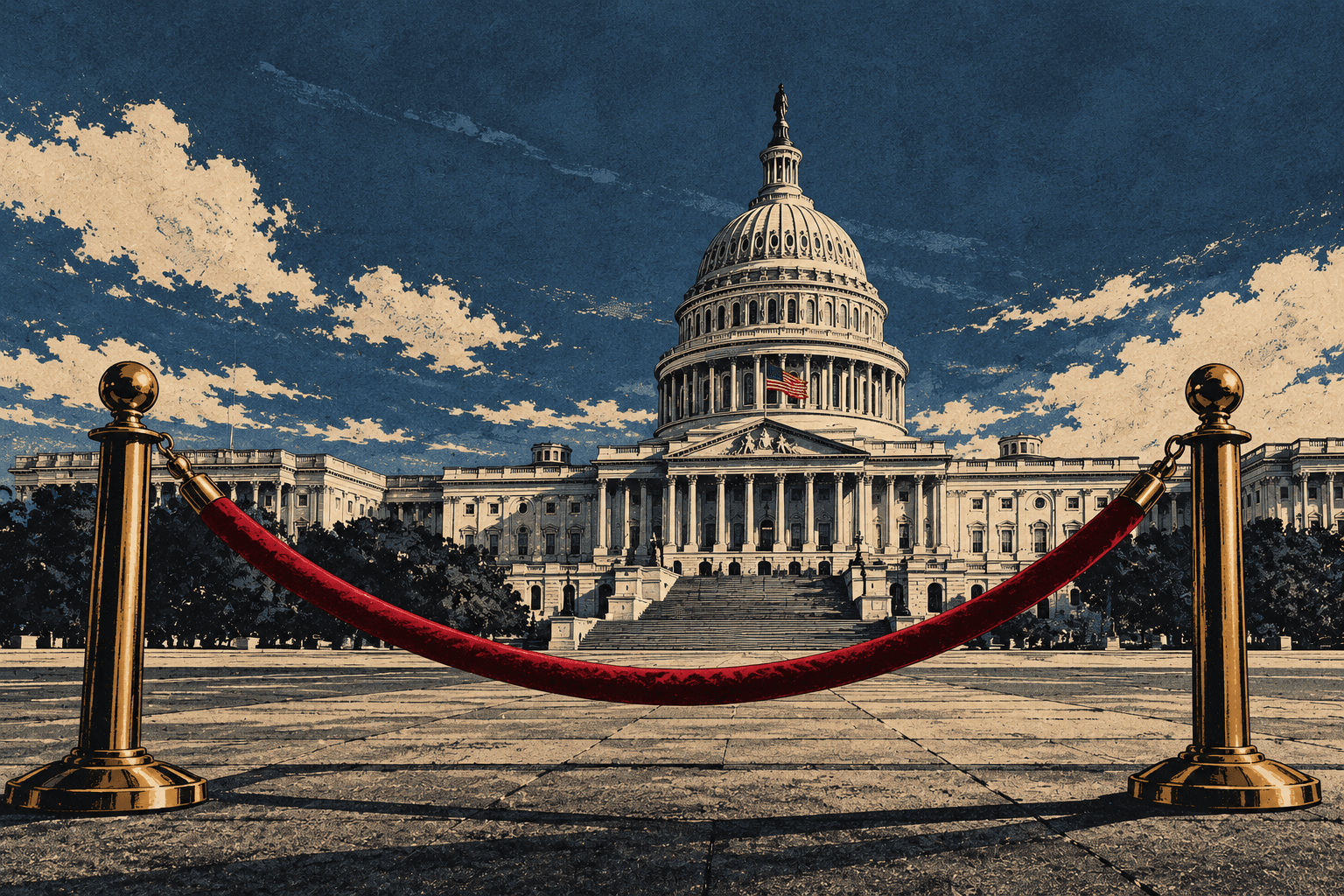
We hear people on social media and in person often expressing distrust of government officials and party politics due to the millions of dollars by lobbyists, corporations, PAC’s and “dark money" financing campaigns and elected officials. Many Americans assume politics has always been controlled by big donors, but it hasn’t.
Early leaders like Abraham Lincoln ran campaigns that today would be considered grassroots, low cost, volunteer driven, focused on ideas rather than fundraising. Money mattered, but it was not the gatekeeper it has become.
As campaigns grew more expensive and fundraising replaced organizing, wealth often determines who can run, who can win, and who gets heard once in office.
A race for Congress can cost millions of dollars. Fundraising consumes much of an elected official’s time. Wealthy donors and special interests gain access and influence, ordinary citizens do not. Many capable people never run at all because they cannot afford to. The result is a system that feels distant, unresponsive, and tilted toward the wealthy.
Currently, the topic of election integrity is centered on regulating voter ID and voting methods when the focus of election integrity should be on who is funding the candidates. Election reform requires rebuilding the system to allow ordinary citizens to lead, serve, and be heard.
In Abraham Lincoln’s Gettysburg address to honor soldiers he stressed the importance “that government of the people, by the people, for the people, shall not perish from the earth”. Over the decades, we have allowed our government to drift from the American ideology of representation “for the people by the people” to representation for whomever contributes the most money. Removing the influence and power of the wealthiest from our elections is the only way to ensure the vision of Lincoln’s “for the people, by the people” government.
Grassroots candidates offer a different model to election integrity which removes the wealthiest influences from elections. Working with local grassroots organizations they seek to engage constituents who remain active after election day, rely on small donor matching programs that multiply local contributions, seek to change public campaign financing thus reducing dependence on big donors, and enforce strong ethics rules that limit lobbyist influence. These reforms do not silence anyone, they amplify citizens.
Across Oklahoma, many grassroots candidates running for local, state and federal seats in the November mid-term election are relying on building community, small donor funding and listening to and representing the people. If we truly wish to reform and secure elections, we must look to the representation of grassroots candidates who will be the voice of the people instead of the voices of the wealthiest donors.
(Published in the Tahlequah Daily Press February 20, 2026)
Comments
Join the conversation. Comments are public and appear right away — please keep them civil and on topic.
No comments yet. Be the first to respond.