
Every week, I find myself returning to the same question: How do we come back together as a country?
It is a question sparked by the news, conversations with friends, or sometimes a short video or social media post that reflects something larger happening beneath the surface of everyday life.
We are living in a time when many people describe feeling disconnected, not just from institutions, but from one another. Trust feels thinner, conversations sharper, and shared understanding harder to find. Yet this is not the first time societies have faced moments like this.
Throughout history, communities have had to recover from war, economic collapse, natural disasters, pandemics, and long periods of social strain. These events do more than create immediate hardship, they reshape how people see one another and how they imagine their shared future.
Healing a society is not the same as forgetting what happened. It is the slow process of rebuilding trust where it has been damaged and restoring people's ability to live and work alongside one another, even when they disagree.
History shows that societies emerging from deep divisions often follow similar paths. They acknowledge harm, rebuild institutions, strengthen local communities, and create opportunities for people to work together in practical ways. While every nation follows its own course, these common themes remind us that recovery is built through steady effort, not a single event.
One reason collective trauma can be difficult to recognize is that it rarely affects everyone in the same way. Some people experience financial insecurity. Others carry grief, loneliness, anxiety, or the loss of trust in institutions they once depended on. Although the experiences differ, the cumulative effect can leave entire communities feeling isolated and uncertain about the future. Healing begins when we recognize that these burdens are shared, even if they are not identical. But large-scale healing does not happen only at the national level. It also happens locally, in everyday places where people choose cooperation over division.
We already see that happening in churches, civic organizations, shelters, schools, food banks, libraries, and volunteer networks that respond to crisis and steady people during difficult times. These are the places where trust is rebuilt,not through speeches, but through repeated acts of service, presence, and shared responsibility.
The question is whether we recognize these efforts as acts of civic renewal rather than simply acts of charity. Whether the disruption comes from natural disasters, economic hardship, public health crises, or long-standing social divisions, the challenge remains the same: Can we still care for one another when life becomes unstable?
Some communities recover more quickly than others. Often, the difference is not the hardship itself but the willingness of people to rebuild together afterward.
We sometimes wait for healing to arrive from Washington, from state capitals, or from the next election cycle. Those things matter, but history suggests that lasting recovery usually begins much closer to home. It begins when neighbors know one another, when local organizations create opportunities to serve side by side, and when shared work reminds us that we often have more in common than the headlines suggest. That kind of healing is rarely dramatic. It looks like volunteers serving meals after a storm, teachers encouraging children through difficult years, first responders answering calls without asking about politics, and community members donating time, money, or skills simply because someone else needs help.
These everyday acts may seem small, but repeated thousands of times they become the threads that hold a community together.
Perhaps collective healing is less about changing everyone's mind than changing how we treat one another. We do not have to agree on every issue to recognize each other's humanity. Respect, civility, and a willingness to listen are not signs of weakness. They are the habits that allow free societies to endure disagreement without falling apart.
The real measure of a society is not whether it experiences a crisis. Every generation faces its own hardships.
The measure is whether those hardships leave us more divided or more determined to rebuild together.
History reminds us that no nation escapes periods of uncertainty. Our challenge is not to avoid them but to decide what kind of people we will be while living through them. If we choose compassion over contempt, service over cynicism, and community over isolation, we take meaningful steps toward healing. Perhaps that is where the future of our country has always begun,not in distant halls of power, but in the everyday choices neighbors make for one another.
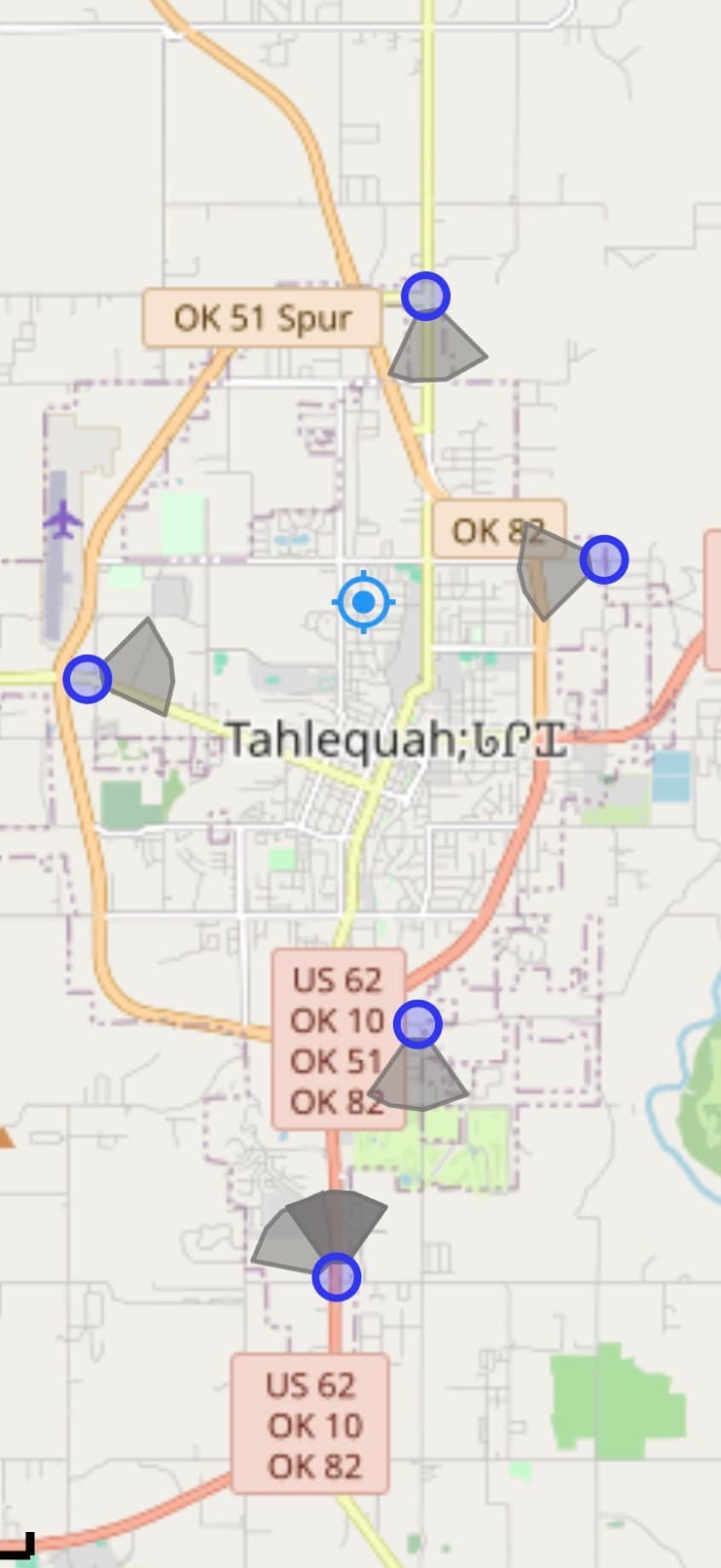
Disclaimer: This column was first published in The Tahlequah Daily Press in the Sunday, July 25-26 edition. “Opinions expressed by columnists do not reflect those of TPD it's staff, or it's parent company”, quoted TDP disclaimer

Comments
Join the conversation. Comments are public and appear right away — please keep them civil and on topic.
No comments yet. Be the first to respond.