

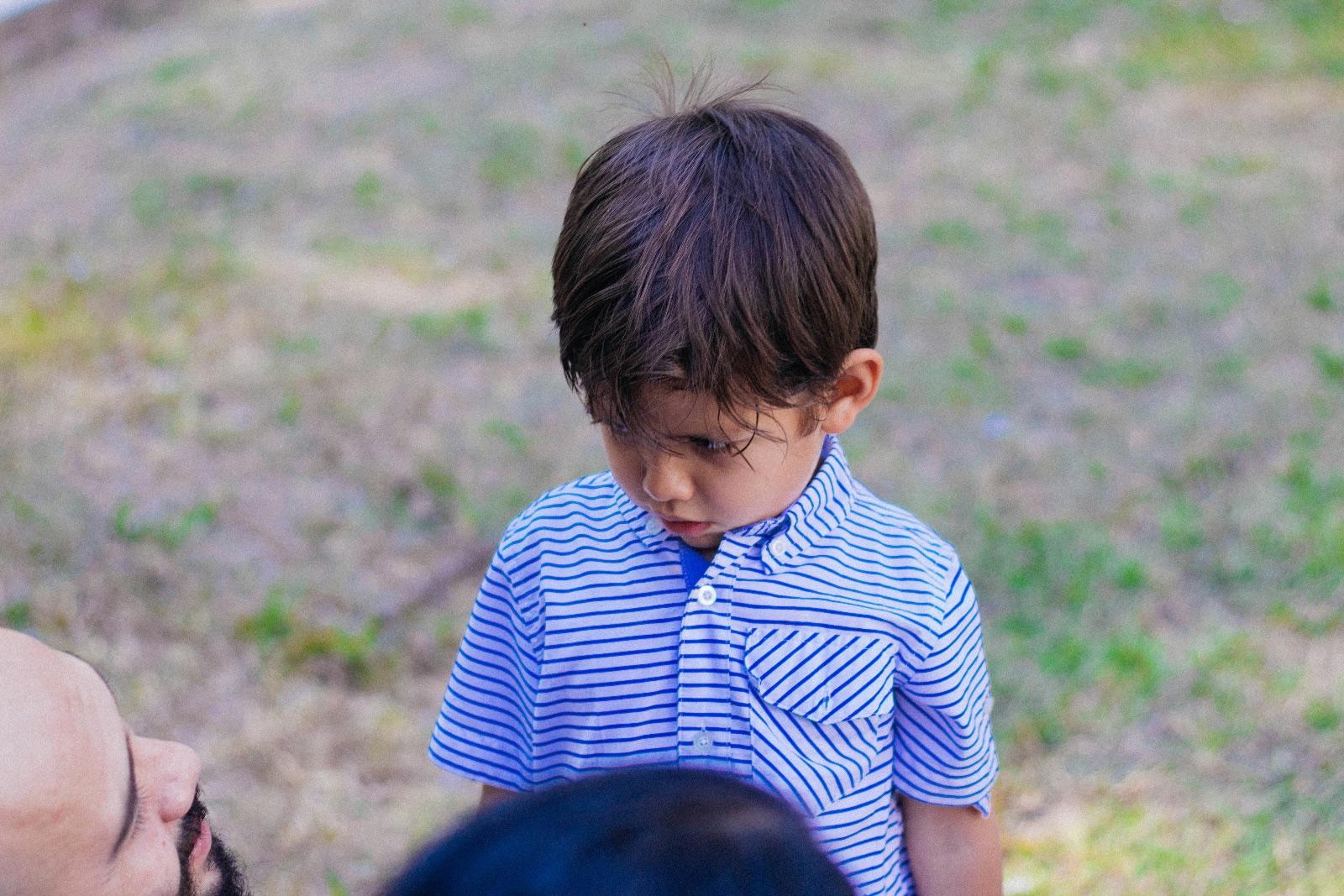
When a student begins having trouble at school, adults often begin with the thing they can measure. Attendance falls. Assignments go unfinished. A teacher notices a change. The child becomes a list of concerns before anyone has asked what the school day feels like from inside that child's life.
That is why the Northeastern Journal's November 17 report on Northeastern State University's new Education Specialist program in school psychology deserves attention beyond the announcement of another academic credential. Preparing more professionals for work at the intersection of learning, behavior and emotional well-being can make a difference. But the standard that matters most to families is not how impressive the program sounds. It is whether a worried student can move from being noticed to being understood and helped.
A school psychologist's work is wider than people sometimes assume. It can involve understanding learning needs, consulting with educators and families, supporting preventive practices and helping schools choose responses that fit a child's situation. None of that is a substitute for classroom teachers, parents, healthcare professionals or the student. The strongest work brings the right people into conversation without reducing the child to a diagnosis.
In northeastern Oklahoma, this is not an abstract concern. A family might have to balance school appointments with work schedules, transportation, care for other children or long distances between services. A grandparent may be doing much of the daily caregiving. Some families want help but do not yet know which questions to ask. Those circumstances should shape how support is offered, even when a school has done its paperwork correctly.
An institution should therefore measure success in more than the number of students it trains. For the schools and districts that eventually employ graduates, the important questions are practical. How long does a family wait between raising a concern and receiving a clear next step? Does the school explain evaluations in language the family understands? Does someone check whether the recommended help is actually reachable? Are students invited to speak, when appropriate, rather than being discussed only by adults?
These are not reasons to turn every classroom difficulty into a psychological problem. Many challenges are ordinary and temporary. Some are signs that a teaching approach or classroom environment needs to change. Some require specialized assessment. Good judgment means resisting the urge to label first and listen later. The goal is not to give every struggle a name. It is to respond with enough care to find out what kind of help is warranted.
The Gospel gives this issue an unexpectedly direct question. In Mark 10, Bartimaeus cries out to Jesus while the crowd tells him to be quiet. Jesus stops, calls him forward and asks, "What do you want me to do for you?" The request is striking. Jesus does not let the surrounding crowd define the man by the inconvenience of his voice. He creates room for the person at the center of the story to answer.
That question is not a clinical protocol, and schools should not pretend faith replaces evidence-based practice. It is a moral lesson about attention. Before we build a plan around someone, we ought to find out whether we have heard that person. A child may not always be able to explain a problem directly, especially at a young age. But that is a reason for patient, developmentally appropriate listening, not a reason to leave the child out.
Families also deserve dignity when they disagree. A parent who asks for an explanation is not automatically refusing help. A teacher who describes a concern is not automatically judging a family. A student who becomes quiet in a meeting may need a gentler way to speak. The adults' responsibility is to make room for honest information without turning every question into a contest over who cares most.
The university's announcement is promising because there is a real need for skilled people who can connect learning, well-being and practical school support. Still, a program launch is a starting point, not a completed outcome. Training should prepare future professionals to explain uncertainty, respect family knowledge, collaborate with teachers and remember that the first recommendation may not be the final answer.
This Thanksgiving, many families will gather around tables where children are asked about school. "How are your grades?" is an easy question. "Is anything making school harder than it needs to be?" may be a better one. The second question does not demand that a child confess a problem in public. It simply reminds adults that achievement is never the whole person.
When a child begins to struggle, the humane response is neither to deny the concern nor to build an identity around it. It is to stop, listen, investigate carefully and return with help the family can understand. If institutions such as NSU prepare people to do that work well, the benefit will be measured not only in degrees awarded but in children who discover that somebody heard them before deciding who they were.
Douglas Vandergraph


Comments
Join the conversation. Comments are public and appear right away — please keep them civil and on topic.
No comments yet. Be the first to respond.