


A nomination form closes at midnight, but the work that made someone worthy of recognition does not. A teacher still arrives early. An adviser still answers a student's difficult question. A former student keeps helping the hometown that helped raise them. By the time most people notice such service, the person doing it may have been at work for years.
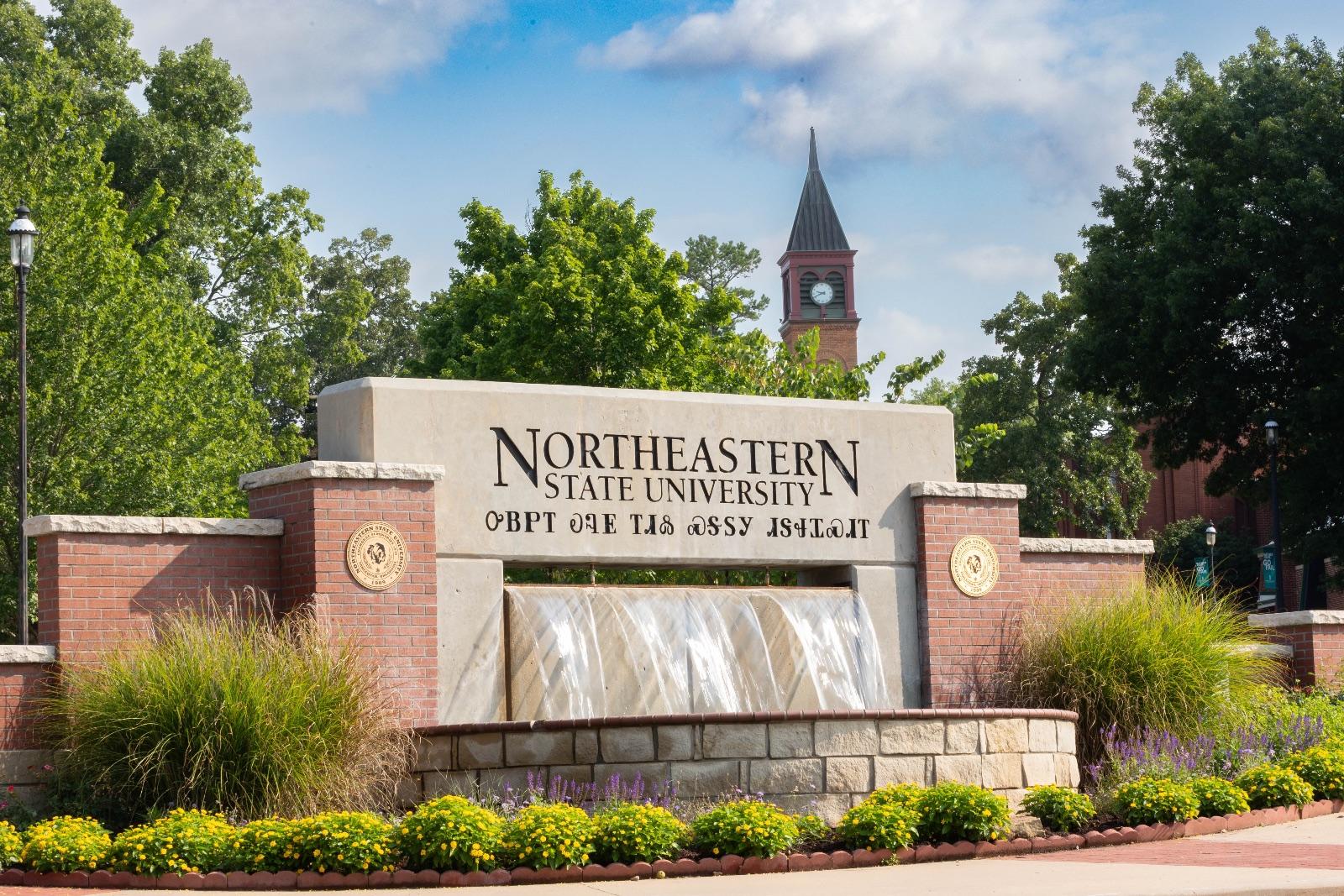
Northeastern State University recently invited nominations for its 2027 Centurion honor. The deadline was November 15. The university created the tradition during its 2009 centennial celebration and each spring recognizes up to ten people whose leadership and service have affected the university or the wider community. The formal luncheon is scheduled for March 5, 2027. These are meaningful opportunities to say thank you, especially in a region where the relationship between a campus and its surrounding communities reaches far beyond a classroom.
The deadline has passed, but one question is still open for everyone in Tahlequah and northeastern Oklahoma: Which people do we notice only when their names are placed on a nomination form, and which do we keep noticing afterward?
It is easy to picture leadership as an address, a title, a podium, or a photograph from a ceremony. Those are not bad things. They can honor genuine service and give younger people examples to follow. But the person who changes a life often does so through actions too small for a formal biography: returning a call, walking a student through financial aid, remembering that an older neighbor needs a ride, or being the second adult to say, "You can do this."
I am writing as a Christian outside the region, not as someone who attended NSU or interviewed a Centurion nominee. The published facts are straightforward; the moral question is one we can all examine without pretending to know the personal stories of people we have never met.
In Mark 12, Jesus notices a widow placing two small coins in the temple treasury. Others could easily overlook her contribution beside larger gifts. Jesus refuses to measure its meaning by its size. He sees the sacrifice inside an act that probably drew no applause. The story is not an instruction to praise poverty or ask people who have little to give more. It is a warning against the assumption that visible wealth or public status tells us who is giving the most of themselves.
A similar mistake can happen in education. We rightly celebrate scholarships, new buildings, research awards, and distinguished graduates. Yet a student's progress can also depend on a custodian who keeps a space safe, a staff member who explains a confusing form without embarrassment, or a mentor who refuses to treat a late start as a permanent failure. These contributions deserve fair compensation and humane working conditions, not merely ceremonial praise. Gratitude should strengthen the people it honors.
That is one reason an award can be both valuable and incomplete. A Centurion nomination invites us to put into words what someone has done for us. That exercise matters. It makes vague appreciation specific. But recognition should also change how we behave on an ordinary Tuesday. Do we answer a former teacher's request for volunteers? Do we help a first-generation college student understand a process that came easily to us? Do we make space for graduates who return to serve rather than assuming success always means leaving?
Northeastern Oklahoma is not one story told by one institution. Families in Cherokee, Adair, Delaware, and Mayes counties experience different distances, work schedules, cultural traditions, and resources. An act of service that changes a life in one household may barely register with another. That is another reason to listen rather than rank neighbors according to how impressive their accomplishments sound from a stage.
We can also make recognition less lonely. Instead of only telling a person privately that they mattered, we can name the particular action that helped us and ask what support would help them continue. We can thank people without turning them into symbols of a community's goodness. We can remember the work after the photograph has been posted and the flowers have faded.
This does not mean every quiet act belongs on an award list. Some people do not want publicity. Some need rest more than recognition. Some would prefer that a school fix a broken process rather than celebrate them for repeatedly working around it. Listening to what a helper actually needs is more respectful than deciding for them what gratitude should look like.
Jesus did not ask the widow to stand for a picture. He noticed what others were missing. His example challenges me to reconsider whom I call important, and why. If our thanks never reaches the people who make ordinary life possible, the problem is not that we lack enough ceremonies. It is that we have stopped paying attention between them.
When NSU gathers to honor its 2027 Centurions, the recognition will be deserved. Let the rest of us treat the months before and after that luncheon as an invitation too. We can offer the specific thanks we postponed, lighten the work we have taken for granted, and look for the person whose steady service never needed a title. The best tribute to a life of service is not simply to remember it. It is to become a more attentive neighbor because of it.
Douglas Vandergraph


Comments
Join the conversation. Comments are public and appear right away — please keep them civil and on topic.
No comments yet. Be the first to respond.