
Today is Veterans Day, and school is off. For most kids I know, that mostly means sleeping in and catching up on whatever we didn't get to over the weekend, and I'm not going to pretend I'm any different. But this day has been on my mind, and I keep wondering what it's supposed to mean for somebody who's fifteen and doesn't really have a say in any of it yet.
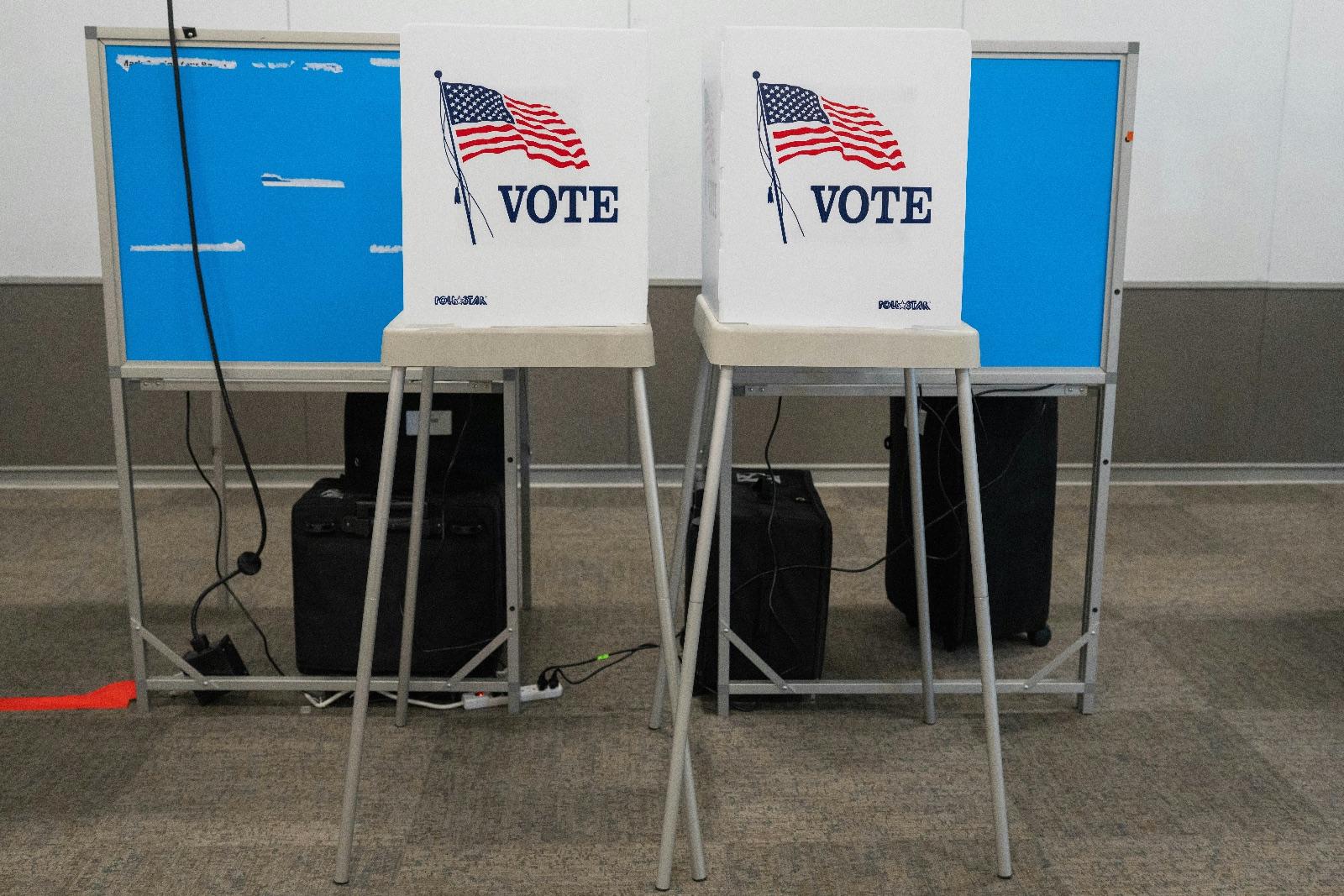
I'm not old enough to join the military, and I'm not old enough to vote for the people who decide when someone gets asked to serve. That's a weird place to be, because the adults making those decisions are people I didn't get to pick, while the ones who end up going are sometimes only three or four years older than me. When I think about it like that, today stops feeling like just a free day off from class.
Here in Tahlequah, veterans aren't people you only read about in a textbook. They're the guy in the Vietnam Veteran cap waiting in the checkout line at the grocery store, or the folks sitting in the bleachers at a Friday night game. A lot of them are the grandparents of kids I've gone to school with since kindergarten, and with how many families around here have someone who served, it would be hard to find a kid who doesn't know at least one. Most of the time you can't tell just by looking, and I'm pretty sure I've walked past a lot of them without ever thinking about it.
A lot of people say "thank you for your service," and I think that's a good thing to do, and I've said it plenty of times myself. But sometimes it feels kind of small next to what some of these people gave up. Some of them missed years with their families, and some came home hurt in ways you can see and in ways you can't, and some didn't come home at all. A quick thank you doesn't really cover that, even when it's meant well.
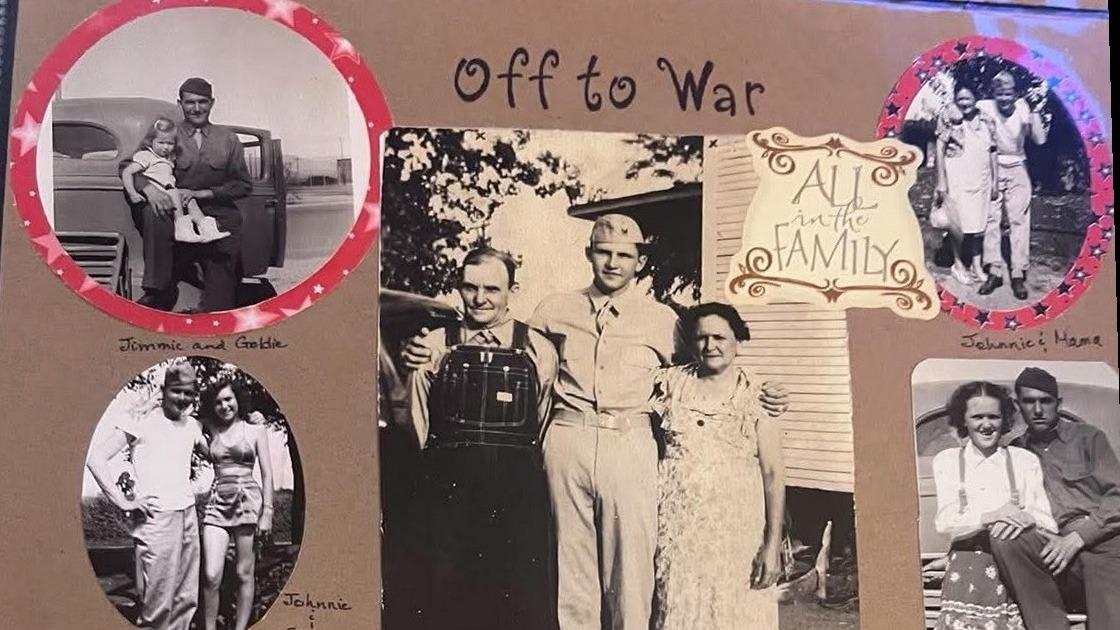
I think real respect has to go further than those few words. It means remembering that a veteran is a whole person, not just a uniform in an old photo or somebody who gets a round of applause at a ball game. A lot of them came back and had to figure out how to fit into normal life again while everyone else just kept going like nothing happened. Respecting them means being patient when they don't want to talk about it and actually listening when they do. It also means caring whether they get the help they were promised once they're home, because a thank you doesn't mean much if nobody's there when they need a doctor or a job.
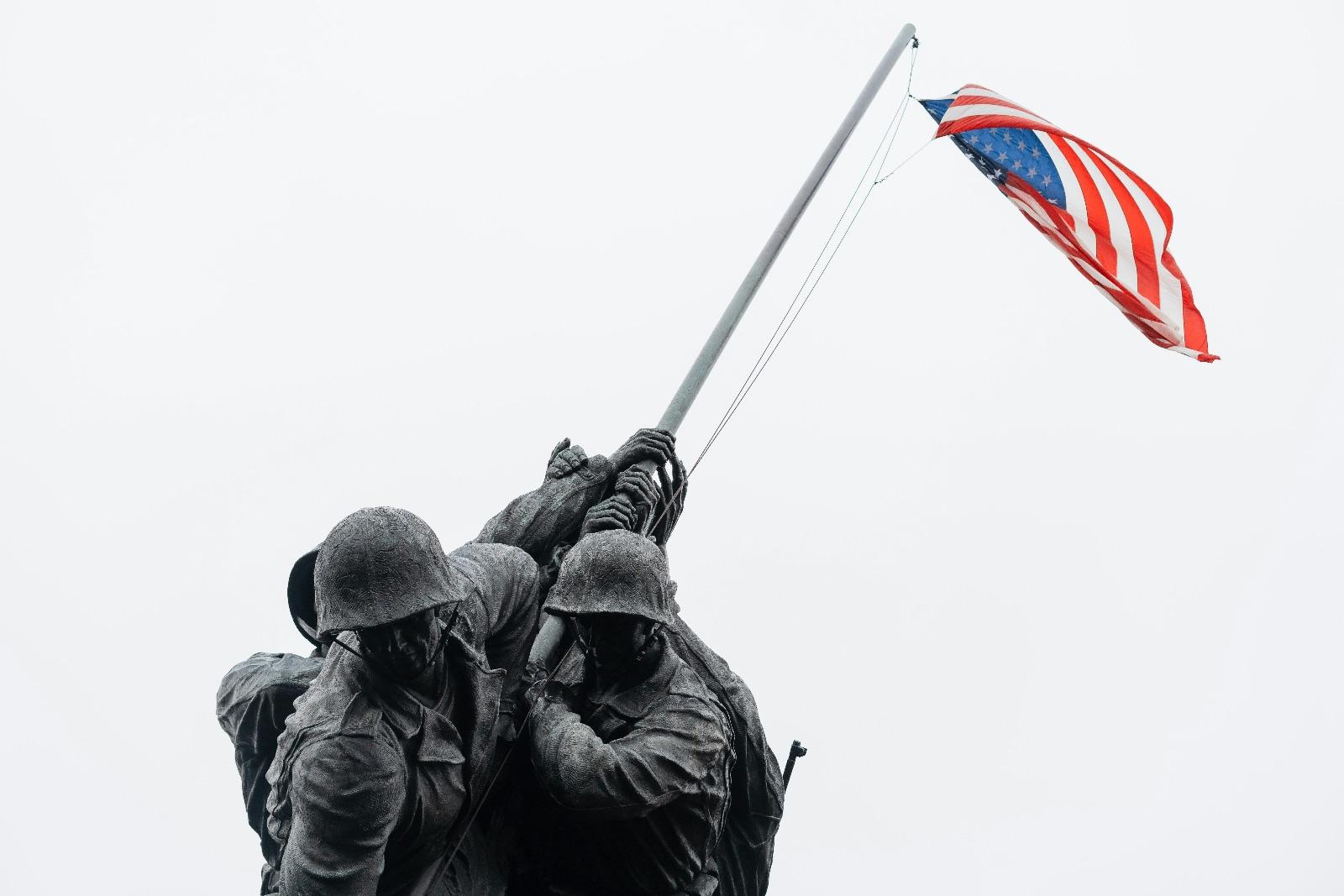
What I can actually do is pay attention. If a veteran wants to tell a story, I can put my phone down and listen instead of getting awkward and changing the subject. I can read the names carved on the memorials around town and look a few of them up, so they turn into people to me and not just letters in stone. I can also ask questions while the people who were there are still around to answer, because they won't always be. There are fewer World War II and Korea veterans left every year, and when they're gone, their stories go with them unless somebody took the time to hear them.
I've also figured out that you can disagree with a war and still respect the person who was sent to fight it. People argue about whether some wars should have happened at all, and that's a fair thing to argue about. But those calls were made by the people in office, not by the nineteen-year-old who got the orders. The soldier or sailor or Marine didn't get to pick where they were sent, and they went because they were asked, which deserves respect no matter how you feel about the politics behind it.
I'm fifteen, so I can't serve and I can't vote yet, but that doesn't mean there's nothing I can do. I can remember the names, ask the questions, and listen to the answers. A few years from now, when I'm finally old enough to vote, I want those stories to still be in my head, and I want to think about the real people in my town who would be affected before I pick someone who might end up deciding to send them somewhere. That feels like the least I can do, and honestly, it means more to me than just saying thanks once a year.
Luke Johnson is a 15-year-old author, independent columnist and high school student in Tahlequah.

Comments
Join the conversation. Comments are public and appear right away — please keep them civil and on topic.
No comments yet. Be the first to respond.